Garden Maintenance Norwood: Recycling and Sustainability
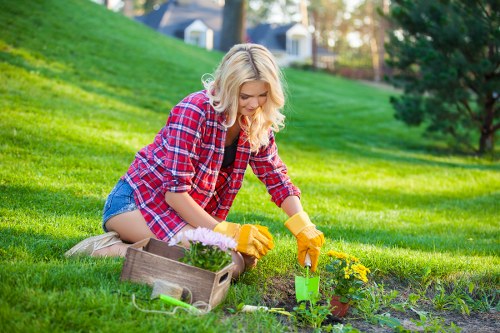 Garden Maintenance Norwood is committed to creating an eco-friendly waste disposal area and a sustainable rubbish gardening area for homes and communal spaces across Norwood. Our approach to Norwood garden maintenance places waste reduction and responsible disposal at the heart of every job, combining practical site management with measurable sustainability targets. We work with local borough policies on waste separation so that green waste, food scraps and mixed recyclables are handled in line with council collection schemes.
As part of our environmental pledge we set a clear recycling percentage target: a minimum of 70% diversion from landfill for all garden-origin materials collected through our services. That target covers compostable green waste, wood and timber offcuts that can be reused or mulched, and dry recyclables recovered from cleared rubbish gardening areas. Setting and publishing this target helps our Norwood gardening maintenance teams aim for continuous improvement.
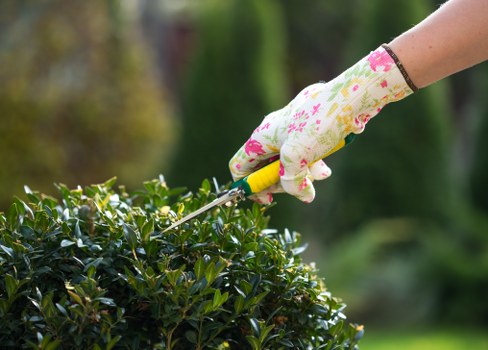 Our teams are trained to create a practical on-site sorting system: a clearly labelled green-waste bin, a separate container for plastic pots and trays, and a small sack for mixed recyclables. Where boroughs' approaches require separate food waste collection or specific bagging rules, we follow the local guidance — for example, using the Lambeth and neighbouring boroughs' recommended separation for organics and dry recyclables — to make sure material reaches the correct processing stream.
We cooperate with nearby local transfer stations and recycling centres to keep the eco-friendly waste disposal area efficient. Our usual networks include borough transfer facilities serving Lambeth and adjacent Croydon recycling centres, plus larger regional transfer stations that accept commercial green waste loads. These partnerships allow us to route materials directly to composting or anaerobic digestion facilities when appropriate, minimising double-handling and emissions.
 To reduce the environmental footprint of transportation we operate a fleet of low-carbon vans. These vehicles include hybrid and electric small vans for local rounds and low-emission Euro 6 diesel alternatives for larger loads. Using low-carbon vans for garden services Norwood not only lowers tailpipe emissions but also supports quieter, cleaner streets during early-morning maintenance shifts.
We also maintain a clear chain-of-custody for collected materials. That means every load is documented from your property to the transfer station, with details on the types of recycling activity involved: composting of grass cuttings, chipping of branches for mulch, salvage of stone and brick for reuse, and segregation of plastics and metals for municipal recycling. This traceability is part of our commitment to sustainable rubbish gardening area management.
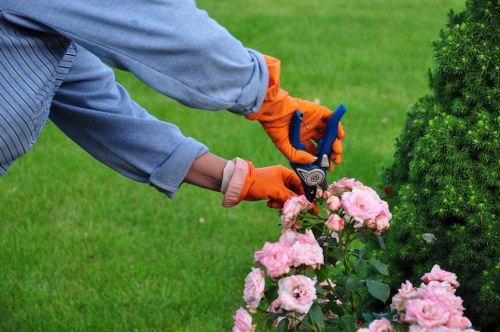 Strong community partnerships are essential. Garden Maintenance Norwood works with local charities and social enterprises to give a second life to suitable materials: unwanted but reusable garden furniture or soil from cleared beds is offered to community gardens, while healthy plants and planters that no longer suit a property may be rehomed to volunteering projects. Our charity partners include community nurseries and food-growing initiatives that benefit directly from diverted resources.
We maintain a list of preferred charity partners and reuse outlets so that non-contaminated items avoid the waste stream. These formal relationships help support local social value: diverting goods to front-line groups, reducing disposal costs and creating local green benefits. Examples of this activity include seedling donations, potted plant swaps, and timber repurposing for raised beds.
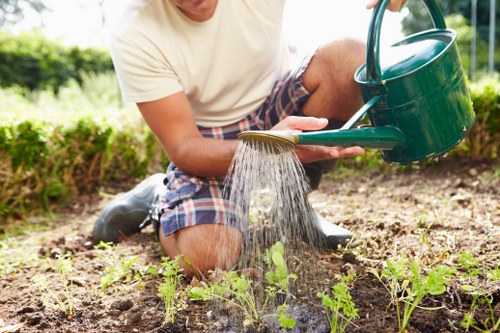 In practice, implementing an eco-conscious garden services strategy in Norwood looks like this: pre-job waste audits, clear on-site segregation, transport in low-emission vans, documented delivery to local transfer stations, and reuse or composting where possible. We emphasise prevention — avoiding unnecessary waste — and resource recovery as the default route for garden material. Our teams are briefed on the boroughs' waste separation rules to ensure compliance and to maximise recovery rates.
Practical Steps We Take
- Site sorting: colour-coded bins for green waste, recyclables and residuals.
- Low-carbon transport: hybrid and electric vans for urban rounds.
- Partnerships: regular deliveries to borough transfer stations and charity partners.
- Reuse-first: rehoming plants, pots and durable materials to community projects.
- Reporting: breakdown of tonnage and percentage recycled to track our 70% target.
Why this matters for Norwood
Adopting sustainable practices in garden maintenance improves local air quality, reduces landfill pressure and supports circular economy principles in the neighbourhood. Whether you use our Norwood garden maintenance teams for a one-off clearance or regular upkeep, you benefit from a service designed to reduce waste, lower carbon emissions and provide social value through charity partnerships.
Our commitment: transparent operations, measurable recycling goals, and daily practice that aligns with borough approaches to waste separation. By choosing responsibly managed garden services Norwood residents help create greener streets and healthier community spaces.
We continue to refine our targets and expand partnerships to push beyond our 70% recycling goal, demonstrating that practical, sustainable garden care is achievable for urban neighbourhoods like Norwood.